
History & Heritage
Over 140 years of faith, community, and remembrance in the heart of Manitoba's prairies.
A Church Born from the Prairie
The story of Beaconsfield begins not with a church, but with a community. Long before the wood-frame building was erected on the Manitoba prairie, pioneer settlers in the Swan Lake area — part of the Municipality of Lorne — had already established a burial ground. The earliest recorded burial in the Beaconsfield Cemetery dates to 1883, a testament to the faith and resilience of the region's first settlers.
By 1903, the community had grown enough to warrant the construction of a dedicated house of worship. The wood-frame Beaconsfield Church was built, becoming a cornerstone of spiritual and community life in the area. It began serving formally as a Methodist Church around 1910.
In 1925, following the historic Church Union that brought Methodist, Presbyterian, and Congregationalist churches across Canada together, Beaconsfield became the Beaconsfield United Church. Regular services continued until 1955, when they were quietly discontinued — though the site's importance to the community never diminished.
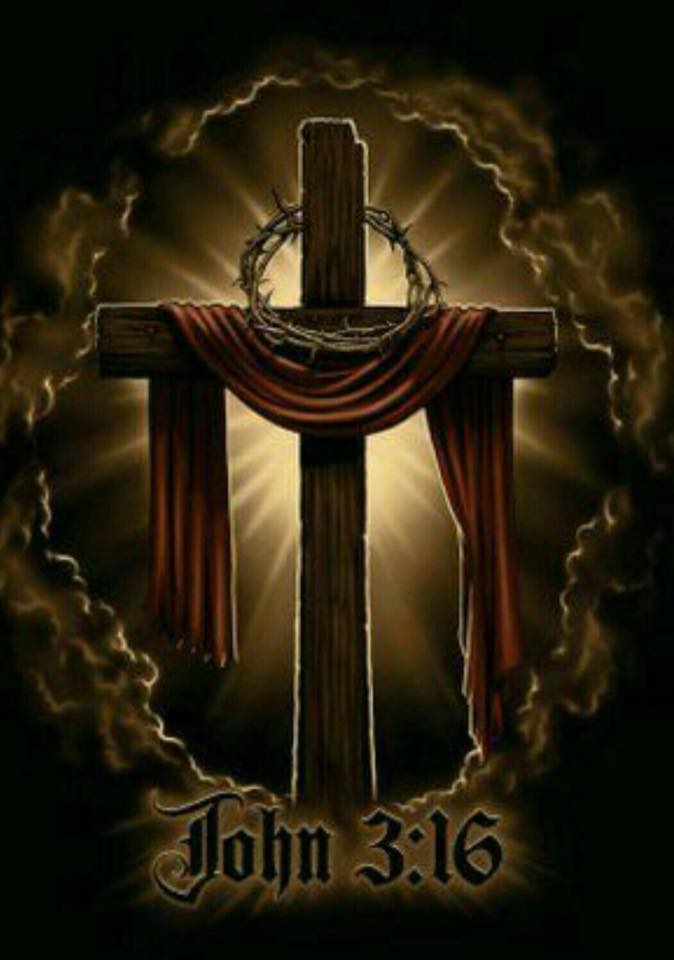
Historical Timeline
Key moments in the life of Beaconsfield Church & Cemetery and the Swan Lake community.
The earliest documented burial takes place at what would become the Beaconsfield Cemetery — predating the church itself. Pioneer families settle the Swan Lake area.
The wood-frame Beaconsfield Church building is constructed, providing a formal gathering place for worship and community life in the Municipality of Lorne.
The church formally serves as the Beaconsfield Methodist Church. The congregation grows alongside the pioneer farming community of Swan Lake.
In June 1921, a monument on the church grounds is dedicated to honour local individuals who served in the Canadian military during the First World War. Many did not return home.
Following the great Canadian Church Union — merging Methodist, Presbyterian, and Congregationalist denominations — the church becomes the Beaconsfield United Church.
Regular church services are discontinued after more than 50 years of continuous worship. The site transitions into heritage stewardship, with the cemetery and grounds maintained by the community.
Significant renovation work is undertaken to address foundation problems at the historic church site — ensuring the building is preserved for future generations.
The Beaconsfield Church & Cemetery Committee continues to preserve and maintain this irreplaceable Manitoba heritage site, honouring all who rest here and the pioneer community that built it.
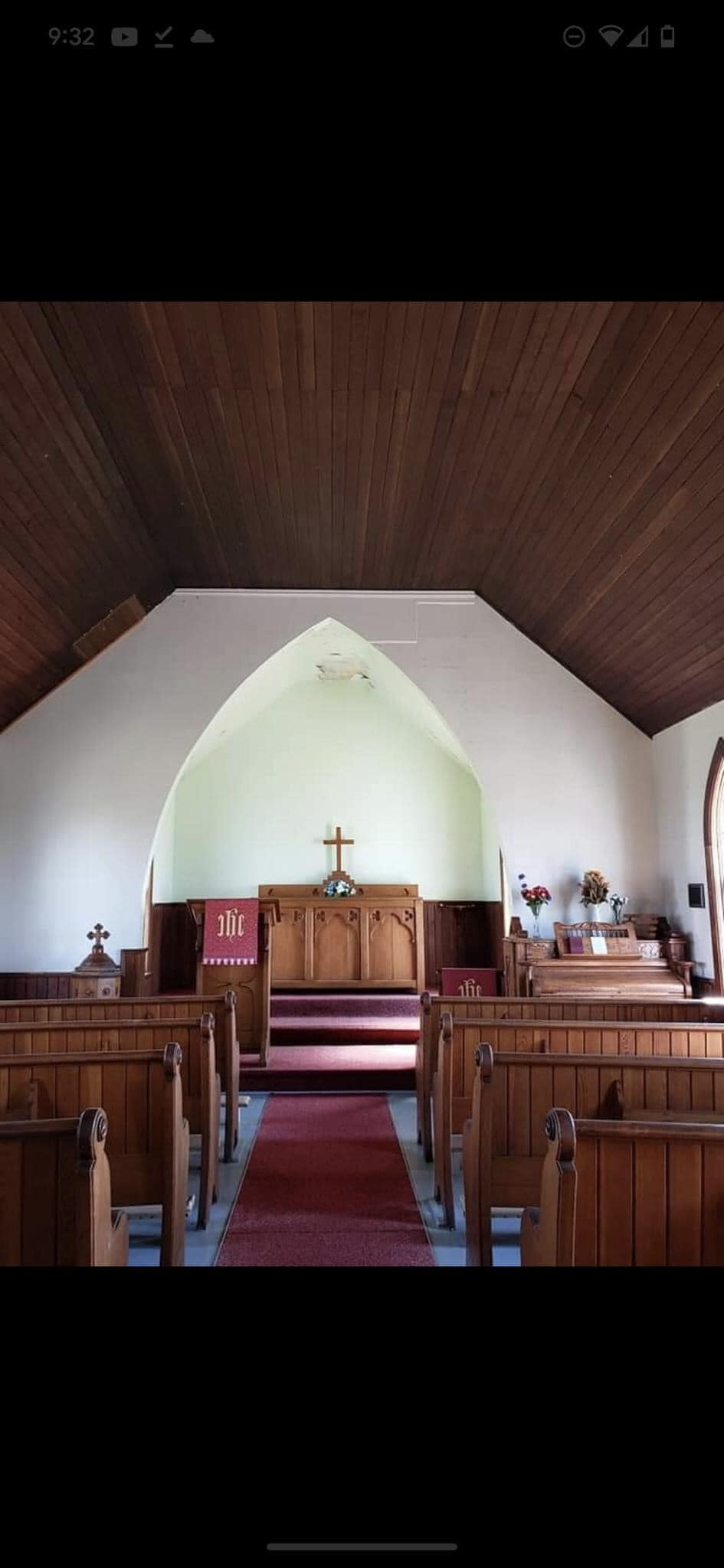
The Canadian Church Union — 1925
The union of Methodist, Presbyterian, and Congregationalist churches in Canada was one of the most significant events in Canadian religious history. Beaconsfield joined millions of Canadians in this transition to the United Church of Canada.
Swan Lake Pioneer Community
Swan Lake's history is deeply tied to agriculture and the railway. The CNR Carman Subdivision brought settlers to the Municipality of Lorne, whose descendants are today remembered at Beaconsfield.
The WWI Military Monument
On a June day in 1921, the community of Swan Lake gathered at the Beaconsfield Church grounds to dedicate a monument to their sons, brothers, and fathers who had answered Canada's call during the First World War. The dedication was both a moment of profound grief and immense pride.
"They shall grow not old, as we that are left grow old: age shall not weary them, nor the years condemn. At the going down of the sun and in the morning, we will remember them." — Laurence Binyon, 1914
The monument stands to this day as a lasting tribute on the Beaconsfield grounds. Each year on Remembrance Day, November 11th, the community gathers here to lay wreaths, recite the Act of Remembrance, and honour the service and sacrifice of those names carved in stone.
Visit the Cemetery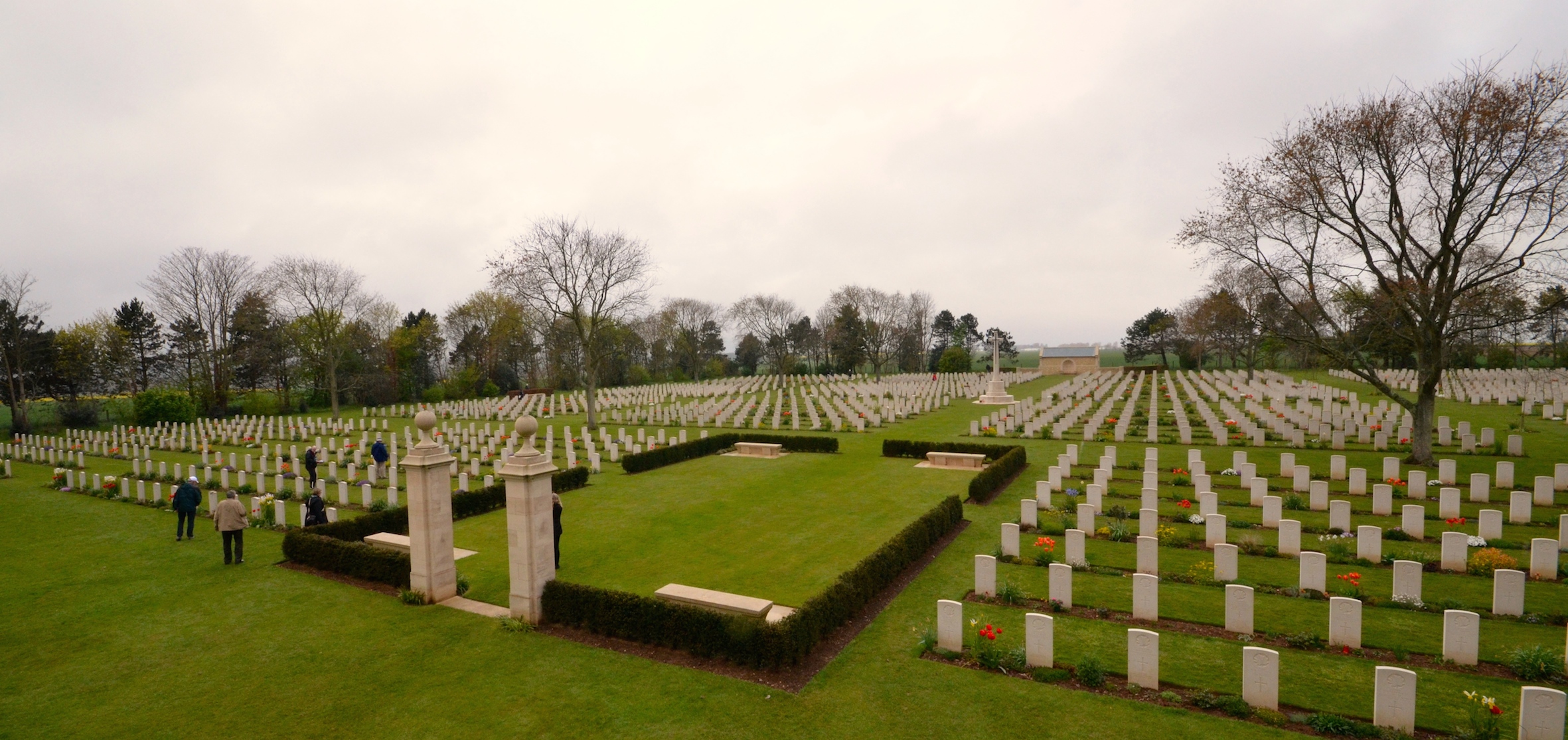
Bény-sur-Mer Canadian War Cemetery, France — the resting place of Manitoba soldiers including those from Manitoba regiments who fought at Juno Beach on D-Day.
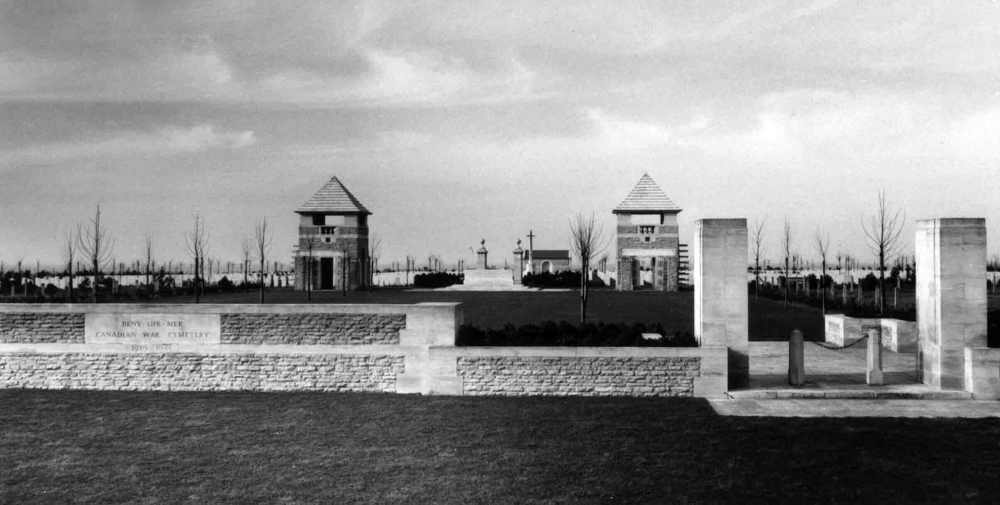
Manitoba Soldiers & the World Wars
Manitoba regiments — including the Royal Winnipeg Rifles (the "Little Black Devils") — played a defining role in Canada's military history. On June 6, 1944, D-Day, Manitoba soldiers landed at Juno Beach in Normandy, France. Many of the fallen are interred at the Bény-sur-Mer Canadian War Cemetery near Reviers, France.
The Beaconsfield community was not untouched by these conflicts. The soldiers commemorated on the 1921 monument at Beaconsfield represent the human cost paid by families in Swan Lake and the surrounding district — fathers who left their farms and did not return.
Preserving their memory is a sacred obligation we take seriously. It is why the Beaconsfield cemetery grounds and monument are maintained with reverence, and why our Remembrance Day observance is one of the most important events in our calendar.
Genealogy & Research Resources
Tracing your family roots at Beaconsfield Cemetery? These organizations hold the records you need.
Manitoba Name Index (MANI)
The Manitoba Genealogical Society's MANI database contains burial records for Beaconsfield Cemetery. Search by name to find ancestors interred here.
Carved in Stone
The MGS publication Carved in Stone: Manitoba Cemeteries and Burial Sites includes records from Beaconsfield Cemetery and is available through the Genealogical Society.
Manitoba Historical Society
The MHS maintains detailed records on Beaconsfield Methodist/United Church & Cemetery, including architectural details, photographs, and historical annotations.